
CAN A COLOR DISPENSING SOLUTION CONTRIBUTE TO IMPROVED PRINT QUALITY AND COST EFFICIENCY COMBINED?
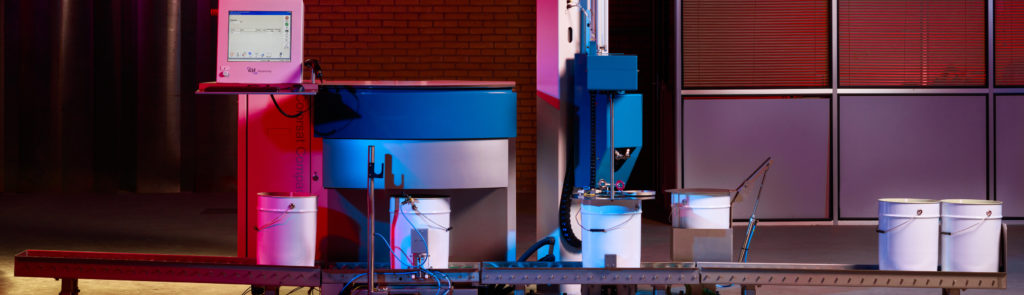
Yes, a color dispensing solution can contribute to both improved print quality and cost efficiency when used properly.
Today, brand owners demand tight standards of repeatable quality, deliveries of shorter runs on a just-in-time basis and transparency in the supply chain. Good ink management, then, is essential for a “preferred supplier” status. This requires for smart ink dispensing systems.
Here are some ways a color dispensing solution can help achieve these goals.
- Consistent color: with an ink dispenser, the ink is always dispensed in the same precise amount. This will lead to consistent color on each print run. Therefore, this consistency improves the quality of the final product.
- Reduced waste: the ink is measured and dispensed precisely, which reduces ink waste. Thus the reduction in waste leads to cost savings for the printing company.
- Increased productivity: by reducing the time it takes to measure and dispense ink, an ink dispenser can help as well increase the productivity of a printing company. Therefore, the printing operation improves efficiency and can lead to additional cost savings
- Customization: a ink dispenser solution can be customized to fit the specific needs of a printing company, which improves efficiency and can lead to additional savings
- Accuracy: the precise measurements provided by a color dispensing solution can help reduce errors. This in its turn can lead to additional cost savings
In conclusion, a color dispensing solution can contribute to both improved print quality and cost efficiency when used properly. By providing consistent color, reducing waste, increasing productivity, offering customization, and providing accuracy, an ink dispenser can help printing companies achieve their goals and thus also saving money.

Raising the image……… can anything be improved?
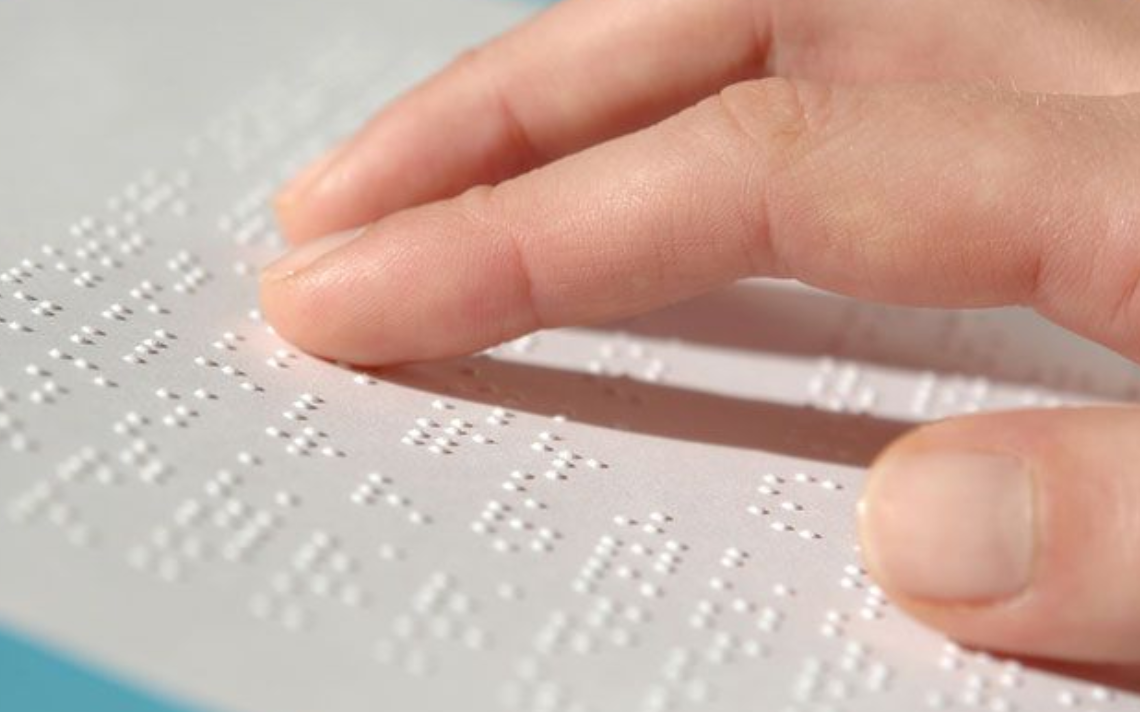
UPrint Technologies proudly launches a new screen for tactile printing, 75 Mesh Extra
Screen for Braille printing, a well accepted technology in label printing
When it comes to printed Braille, the usual method is to use rotary screen printing as a narrow web combination process. Screen is ideal for laying down thick layers of ink or a colorless varnish in a single pass to form the raised dots within precise limits.
As well a labor intense process
The reached Braille printing results with rotary screen exacerbates the labor intense process of applying multiple emulsion layers (up to 40 with a typical target total thickness of 220 – 230 micron) and long machine occupation when you engrave the stencil digital.
What if we could achieve the same printing results and reduce time to press?
Innovation by UPrint Technologies
UPrint Technologies is proud to announce the launch of innovation in screen Braille printing with:
75 Mesh Extra
This rotary screen provides equal print quality compared to regular 75 Mesh. Due to higher screen thickness (200 micron instead of 150 micron), you need significant less emulsion to reach the same target thickness of 220 – 230 micron. In fact, you can reach this required thickness with only 10 – 15 emulsion layers*).
Efficiency in pre press and quick time to press
The reduction of emulsion layers will shorten the screen making process. Combined with faster digital imaging of the screen, you furthermore improve time to press.
This is another example of UPrint Technologies’ commitment to the label printing industry.
UPrint Technologies, LLC
*) each emulsion layer assumed to be 2 micron, depending the lacquer viscosity and room temperature
Technical Specifications of 75 Mesh/40% Compared
| Specification | Mesh | Thickness | Open Area % | Hole Diameter | Ink Deposit Thickness | Maximum Ink Particle Size |
| 75 – 150 – 40% | 75 | 150 | 40% | 214 | 60 | 71 |
| 75 – 200 – 40% | 75 | 200 | 40% | 214 | 80 | 71 |